Offering Transformative Services for Public Health Agencies.
Creating New Capacity for Positive Impact.
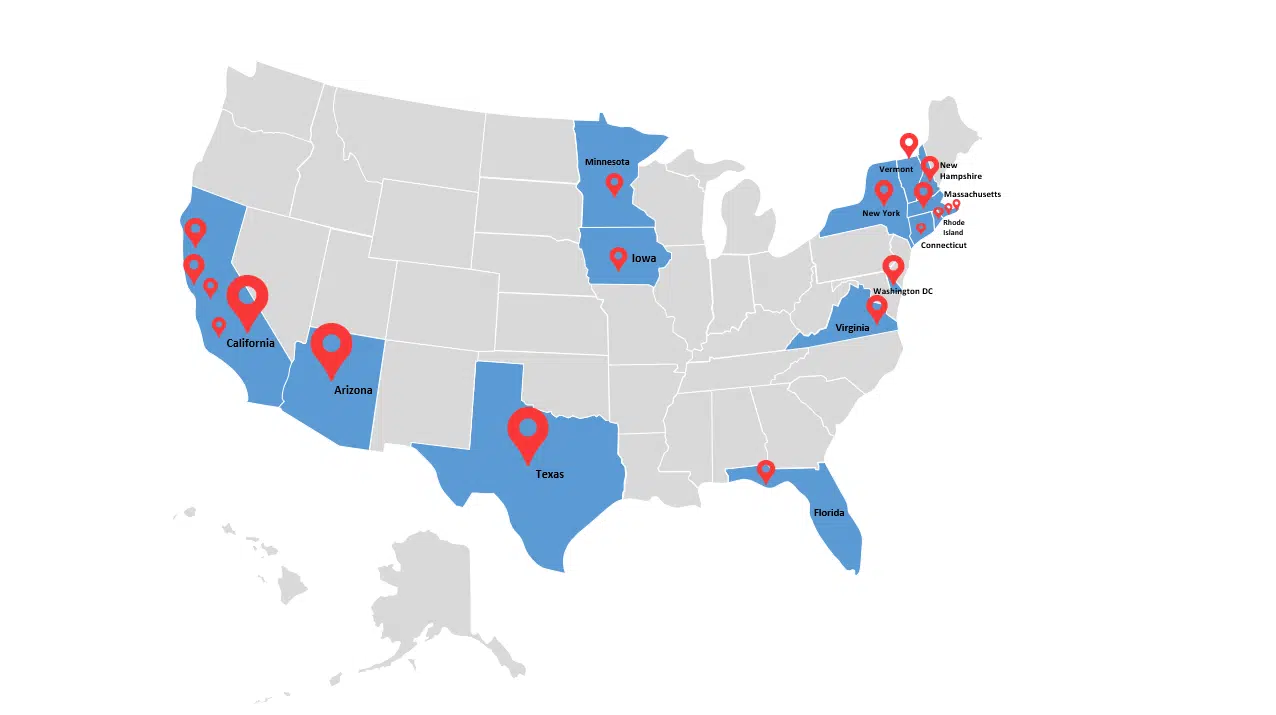
- Departments of Public Health
- Health and Human Services
- Departments of Education
- Environmental Agencies
- Departments of Correction
- Homeland Security
- Municipalities
- Non-profit organizations
- Arizona Department of Public Health
- Boston EMS
- Boston Public Health Commission
- California Public Utilities Association
- Central Homeland Security Advisory Council
- Central Massachusetts EMS Corporation
- City of Boston
- City of Sunnyvale
- Connecticut Department of Health
- Doble Engineering
- Florida Department of Health
- Hospital Association of Rhode Island
- Iowa Department of Health and Human Services
- Massachusetts Department of Correction
- Massachusetts Department of Public Health
- Massachusetts Executive Office of Education
- Massachusetts Executive Office of Health and Human Services
- Massachusetts Executive Office of Public Safety
- Massachusetts Office of the Chief Medical Examiner
- Massachusetts Office of Information Technology
- Massachusetts Registry of Vital Records and Statistics
- McKesson Corporation
- Mednet System
- Minnesota Department of Health
- Navigant Consulting
- New Hampshire Health and Human Services
- New York Housing Services
- Northeast Region Homeland Security Advisory Council
- San Francisco Department of Public Health
- San Luis Obispo County
- San Mateo Information Services Department
- Southeastern Massachusetts EMS Council
- Texas Health and Human Services Commission
- Urban Area Security Initiative
- Vermont Department of Health and Human Services
- Vermont State Legislature
- Virginia Department of Behavioral Health & Developmental Services
- Washington DC Department of Health
- Western Region Homeland Security Advisory Council
FAQs
- How do NASPO and cooperative contracts simplify public sector software procurement?
NASPO ValuePoint and other cooperative contracts streamline procurement by offering pre-negotiated terms, pricing, and vendor vetting. This allows agencies to bypass lengthy Request for Proposal (RFP) processes while still meeting compliance requirements. As a result, organizations can accelerate project timelines and reduce administrative overhead.
- What should agencies evaluate when selecting public health software vendors?
Agencies should evaluate a vendor’s specific experience in public health domains, their commitment to interoperability standards like HL7 and FHIR, and their security certifications (e.g., HIPAA and NIST). It is also important to assess the vendor’s ability to scale and configure the solution without significant additional costs.
- How can compliance teams assess vendor risk in public health technology contracts?
Compliance teams should conduct a structured risk assessment focusing on the vendor’s cybersecurity posture, financial stability, and operational resilience. This includes reviewing third-party audits, data sovereignty policies, and the vendor’s track record for maintaining uptime and compliance in highly regulated environments.